Black Myth: Wukong
Key Highlights
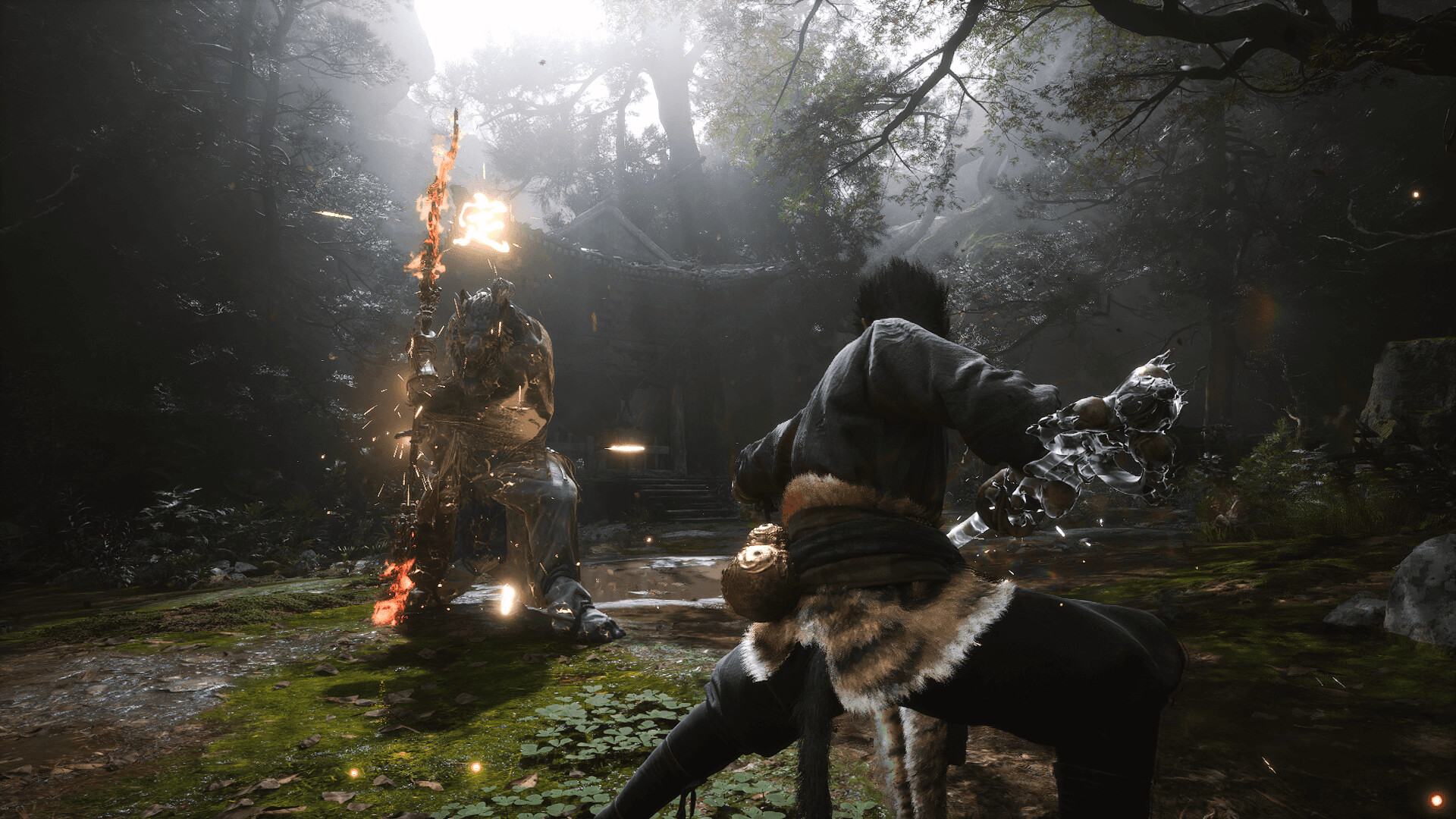
<h2>Gameplay and Mechanics</h2> <p>The game presents a third-person action role-playing experience rooted in Chinese mythology, particularly the classic novel <em>Journey to the West</em>.
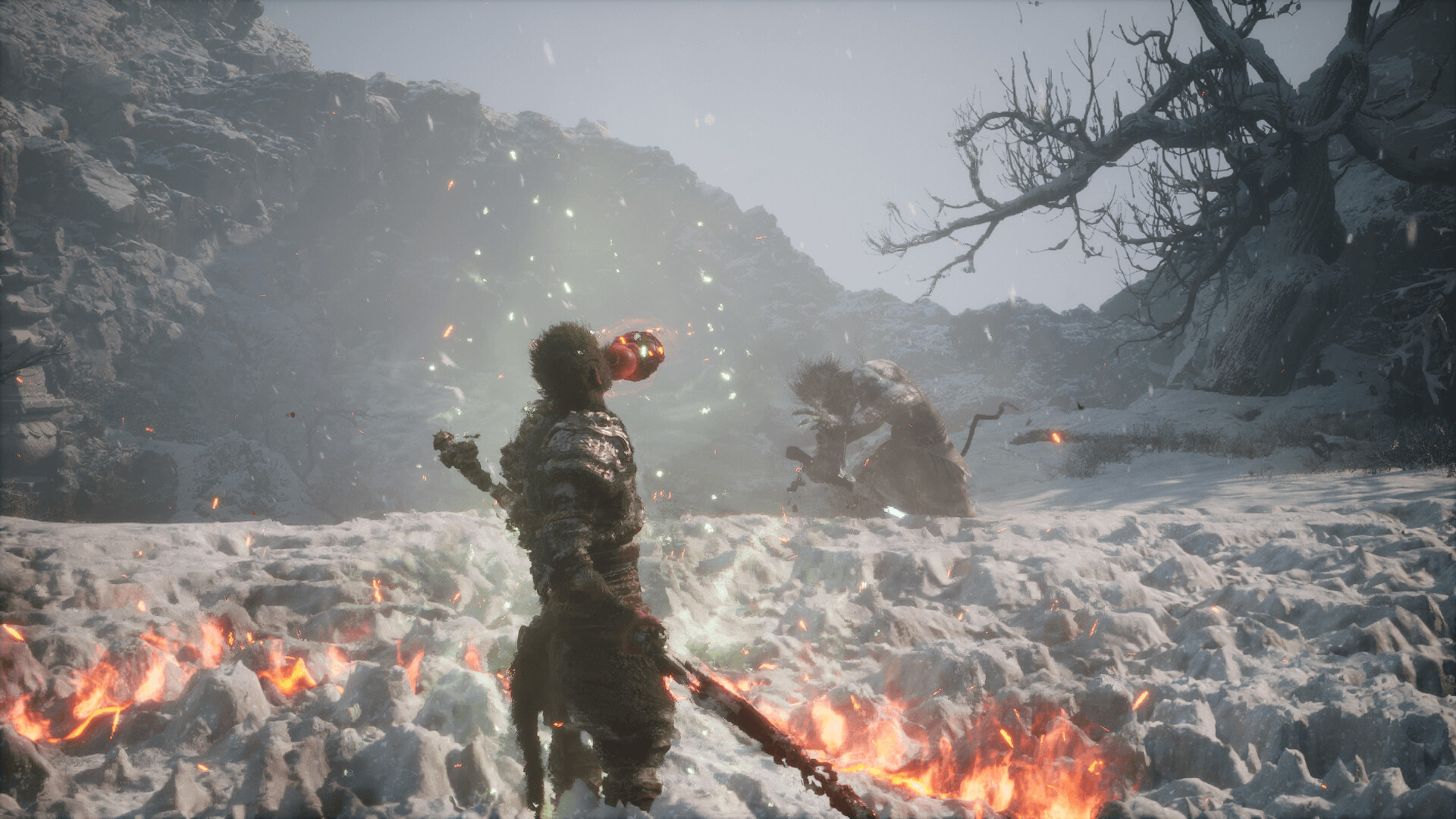
Combat is central to the gameplay, drawing comparisons to the Souls-like genre, though it diverges significantly by eliminating traditional block or parry mechanics.
The art direction emphasizes traditional Chinese aesthetics, incorporating real-world architectural references, historical textures, and culturally significant motifs.
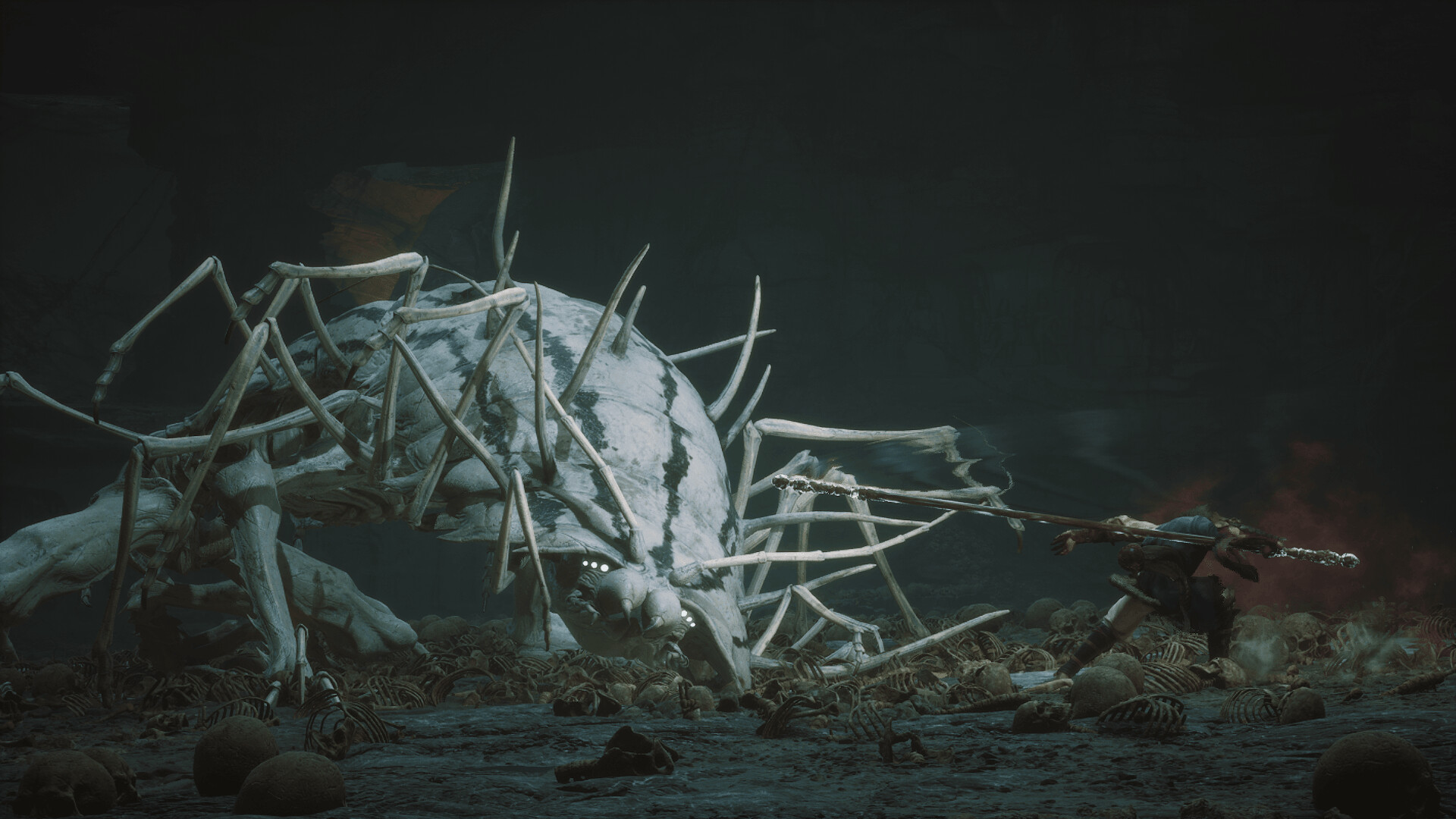
Locations such as ancient temples, mountainous landscapes, and mythical realms are rendered with exceptional fidelity, creating a sense of immersion that is both expansive and intimate.
However, performance can be demanding, with some players reporting issues such as stuttering, shader compilation delays, and frame rate drops, particularly on mid-range hardware.
Review
Gameplay and Mechanics
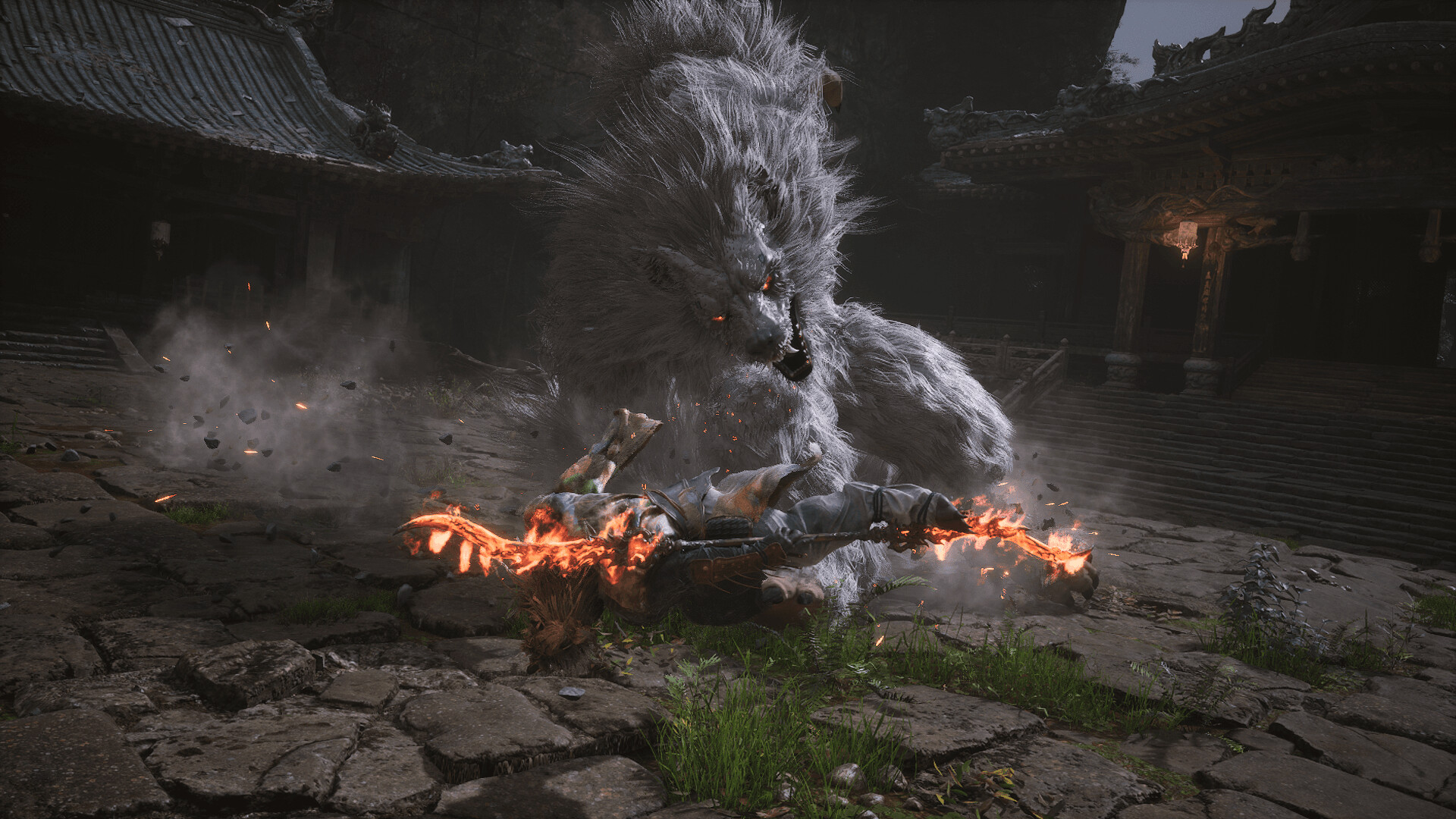
The game presents a third-person action role-playing experience rooted in Chinese mythology, particularly the classic novel Journey to the West. Players assume the role of a protagonist known as the "Heavenly Fate One," an avatar of the Monkey King, Sun Wukong, embarking on a journey that reinterprets the legendary tale through a dark fantasy lens. Combat is central to the gameplay, drawing comparisons to the Souls-like genre, though it diverges significantly by eliminating traditional block or parry mechanics. Instead, success relies on precise timing of dodges, strategic use of a dynamic "martial energy" system, and the integration of special abilities derived from defeated enemies. The core mechanic involves building up "martial energy" through consecutive dodges or light attacks, which can then be expended for powerful strikes, evasive maneuvers, or transformative abilities. This system supports a high degree of player agency, allowing for varied combat styles and the ability to customize builds through a flexible skill tree system that includes transformations, spellcasting, and equipment enhancements. The game features a wide variety of enemies and bosses, with each offering unique attack patterns and vulnerabilities, contributing to a sense of unpredictability and challenge. However, some players have noted inconsistencies in enemy AI behavior, particularly with regard to camera locking and hit detection, which can lead to frustrating combat encounters despite the game's otherwise responsive controls.
Graphics and Performance
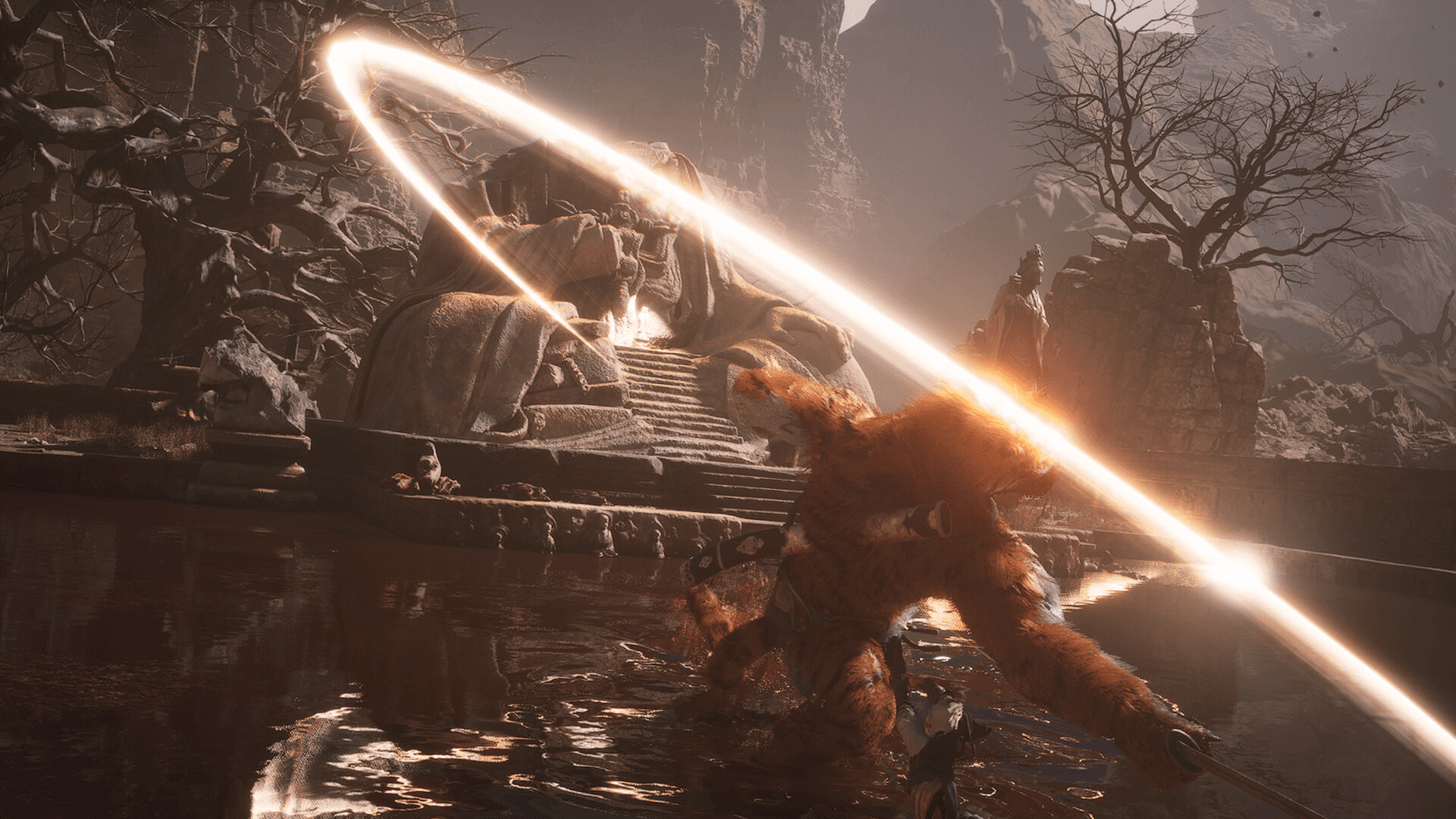
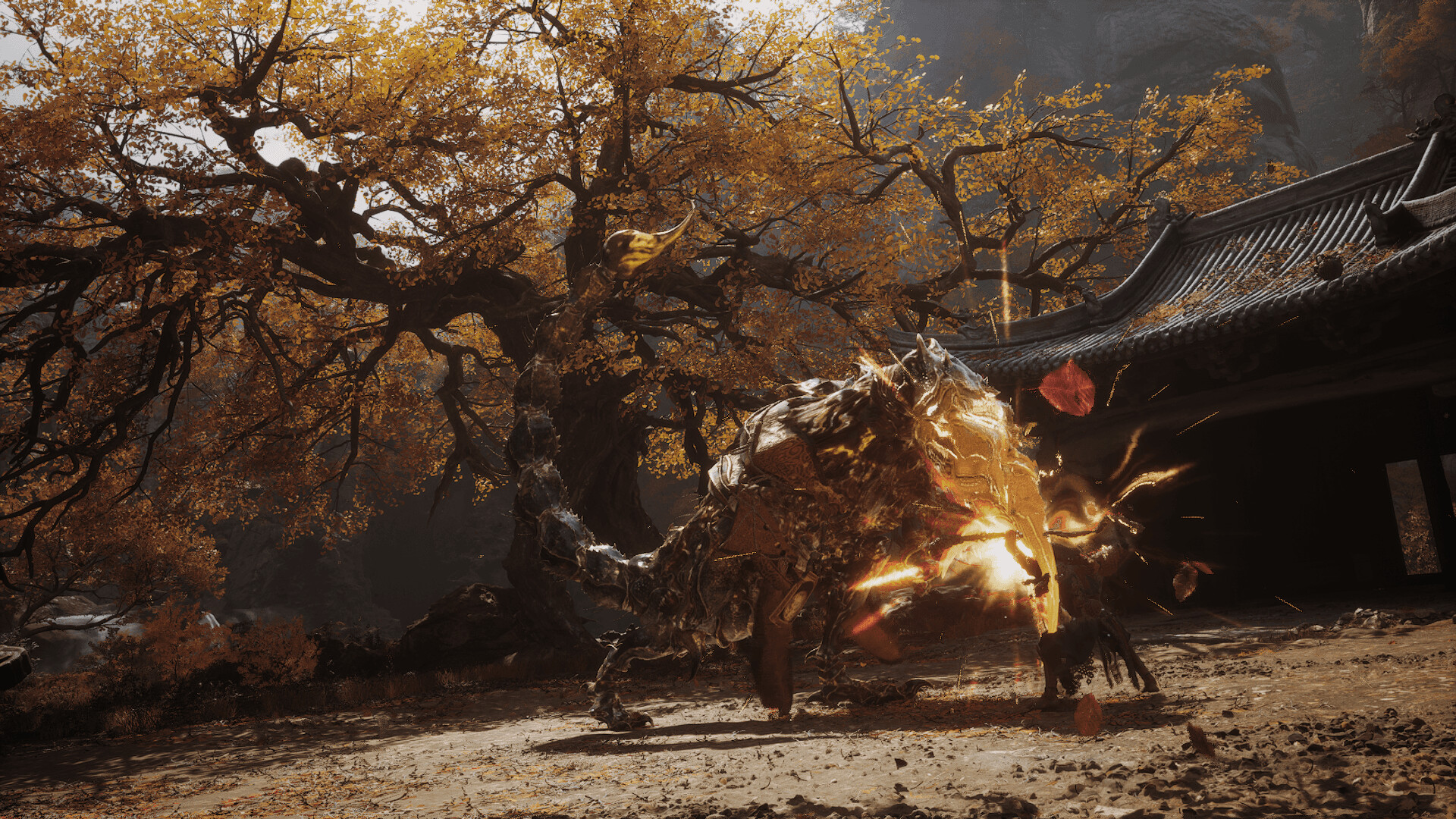
Visually, the game is widely regarded as a landmark achievement in game development, particularly for Chinese studios. Built on the Unreal Engine 5, it delivers cinematic-quality graphics with highly detailed environments, realistic lighting, and fluid animations. The art direction emphasizes traditional Chinese aesthetics, incorporating real-world architectural references, historical textures, and culturally significant motifs. Locations such as ancient temples, mountainous landscapes, and mythical realms are rendered with exceptional fidelity, creating a sense of immersion that is both expansive and intimate. The attention to detail extends to character design, weapon aesthetics, and environmental storytelling, with many assets based on physical scans of historical sites. However, performance can be demanding, with some players reporting issues such as stuttering, shader compilation delays, and frame rate drops, particularly on mid-range hardware. These technical challenges are often mitigated by adjusting graphics settings or using compatibility patches, but they remain a notable concern for accessibility. The absence of an in-game map has also been highlighted as a persistent issue, with players frequently encountering invisible barriers and disorienting terrain that hinder navigation and exploration, especially in later chapters where map design is perceived as less cohesive.
Story, World-Building, and Cultural Impact
The narrative structure is non-linear and heavily reliant on environmental storytelling, with lore conveyed through animated interludes, environmental cues, and textual entries known as "Shadow Portraits." These chapters, which follow a traditional Chinese literary format, offer thematic reflections on the journey, fate, and identity, often echoing philosophical and moral questions. The story reimagines the Monkey King not as a triumphant hero but as a fallen or conflicted figure, exploring themes of rebellion, legacy, and personal destiny. This reinterpretation has resonated deeply with players, particularly those familiar with the source material, who appreciate the game's effort to honor and expand upon cultural roots. The integration of classical Chinese poetry, idioms, and literary allusions into the soundtrack and dialogue has been praised for its authenticity and artistic depth. While the narrative is compelling and emotionally resonant, some players have noted that the story’s complexity and lack of explicit guidance can lead to confusion, particularly for those unfamiliar with the original Journey to the West. Additionally, the game’s structure—featuring a mix of linear progression and open-world exploration—has been observed to vary in quality, with earlier chapters receiving higher praise for their design density and environmental integration, while later sections are perceived as less polished or more formulaic.
Value, Reception, and Limitations
From a commercial and cultural standpoint, the game is widely recognized as a milestone for Chinese game development, marking the nation’s first full-fledged AAA title. Its success has been celebrated not only for its technical and artistic achievements but also for its role in promoting cultural heritage on a global scale. The absence of microtransactions, downloadable content (DLC), and live-service elements has been consistently highlighted as a positive, contributing to a sense of completeness and integrity. Players appreciate the game’s self-contained nature and the developers’ commitment to delivering a singular, focused experience. Nevertheless, the lack of post-launch content has been a point of contention, with some users expressing frustration that the game's narrative and world-building are left incomplete. While the game is praised for its high production value and emotional resonance, it is not without technical and design flaws. Common critiques include inconsistent level design, reliance on environmental cues over explicit guidance, and an overemphasis on visual spectacle at the expense of navigational clarity. Despite these shortcomings, the overall consensus among players is overwhelmingly positive, with the game being described as a passionate, ambitious, and culturally significant work that exceeds expectations for a debut title from a new studio.
Screenshots
Game Details
- Price
- AUD $89.95
- Platforms
- Windows
- Publisher
- Game Science